Automated Design Token Pipeline: From Zero Adoption to Enterprise Scale
Built an end-to-end automated token pipeline that restored trust in Docker's design system by eliminating 80% of manual operations work and proving design-to-production parity at scale. The system generates framework-specific themes from a single source, enables PM prototyping with AI tools, and runs fully automated from Figma to visual regression testing.
The Problem: Designers and Developers Building Two Different Products
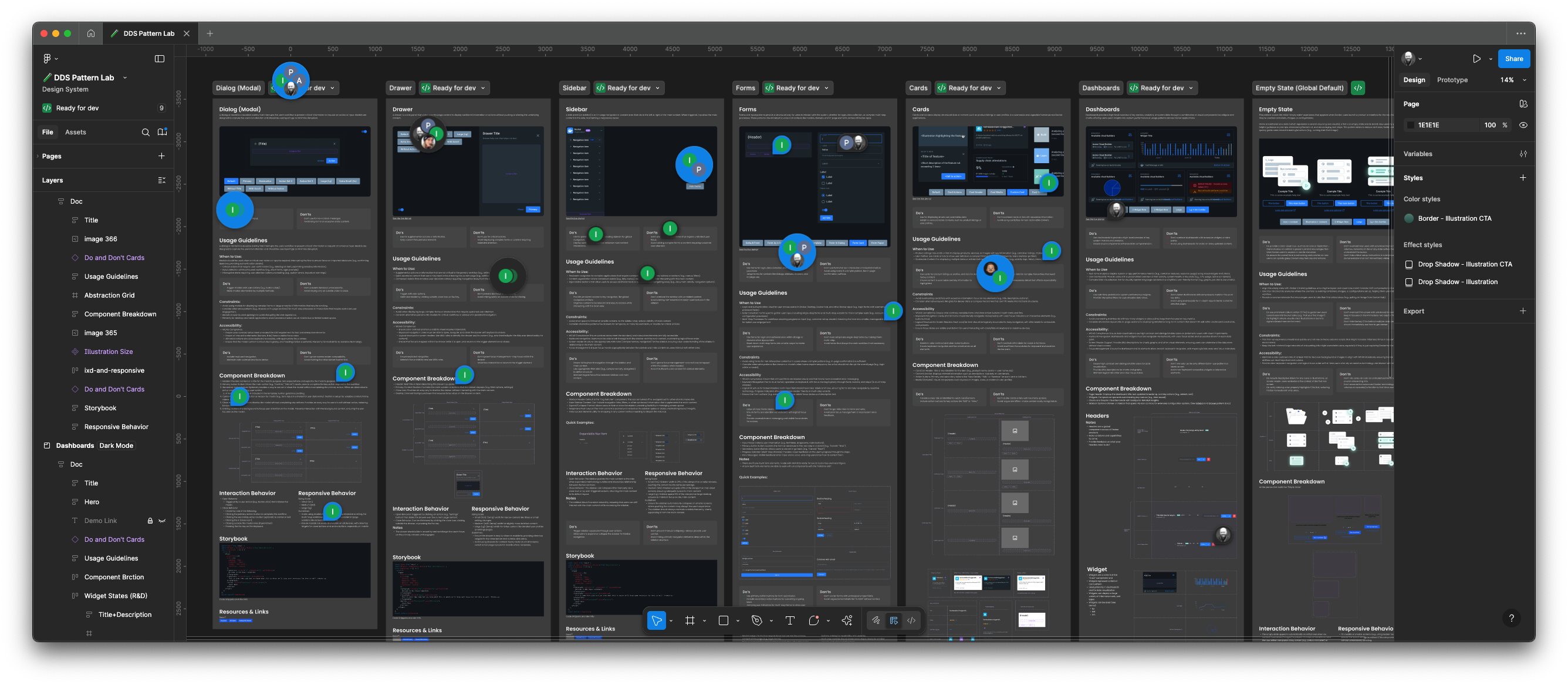
Designers created components in Figma. Developers built with MUI themes. Nothing matched. The gap between design intent and production reality was eroding trust in the design system and slowing down product velocity across Docker.
Three manual audits attempted to achieve parity. Each investigation revealed how far out of sync design and code had become. Engineers proposed a complete reset of all MUI instances—a solution that would have taken months. The root issue remained: without automated synchronization, design and code diverge with every change, and manual processes can't keep pace at enterprise scale.
Engineering teams stopped referencing Storybook because they couldn't trust it reflected current design decisions. Designers lost confidence their work would ship correctly. Some teams built custom components rather than use the design system. The solution required automation—a system where design and code synchronization happens automatically, making divergence structurally impossible rather than procedurally managed.
"After the third failed audit, I stopped checking Storybook. It was faster to build components myself than trust the design system had the right tokens. We couldn't even agree on what 'blue' was supposed to be."
My Approach: Prove It Works, Then Automate Everything
I built an automated pipeline that treats design tokens as versioned code with continuous integration, automated testing, and multi-platform deployment. The system connects Figma to GitHub, transforms tokens for different component libraries, and validates changes through visual regression testing before they reach production.
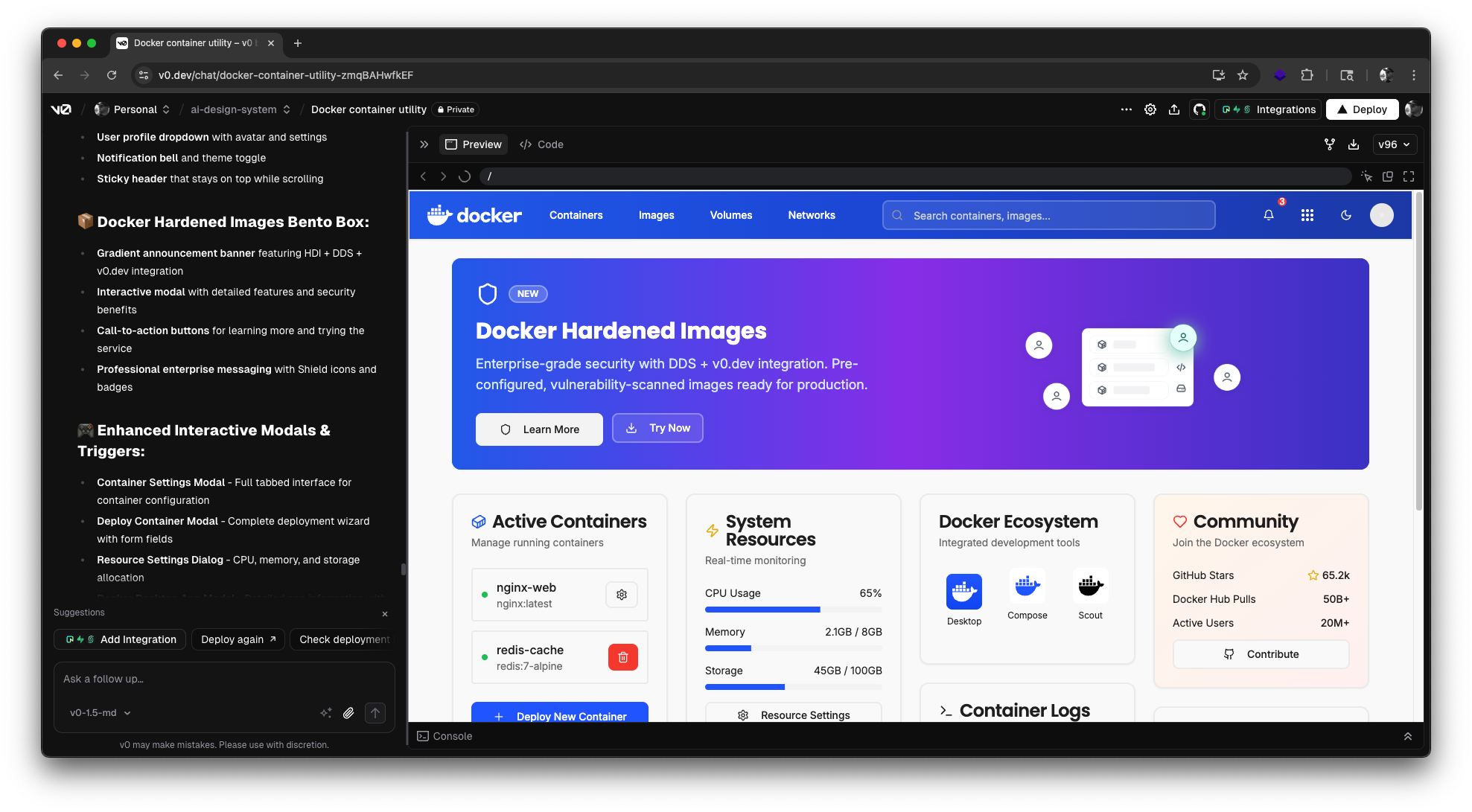
The key innovation was proving that a single token source could generate production-ready themes for multiple frameworks automatically. Before building the complete system, I created a proof-of-concept repository with Docker's tokens and themes that product managers could use with AI prototyping tools. When PMs started generating design-system-compliant prototypes directly from their product requirements, leadership saw the potential and committed resources to scale the infrastructure across all teams.
Proof of Concept
Built custom transformers to prove a single token source could generate production-ready themes for multiple frameworks. Validated that Figma design tokens could automatically become MUI palettes, shadcn variables, and Tailwind themes.
PM Prototyping Repository
Created a repository with Docker's design tokens and generated themes for product managers to use with AI prototyping tools. PMs could generate design-system-compliant prototypes from requirements documents without designer involvement.
Storybook Integration
Integrated generated themes into Storybook with a live toggle between Docker tokens and default framework themes. Engineers could instantly validate that components matched across MUI, shadcn, and Tailwind.
Automated Visual Testing
Connected the pipeline to automated visual regression testing. Every token change from Figma triggers screenshot comparisons across all components before deployment, catching visual inconsistencies before they reach production.
The Work: Building the Transformation Layer
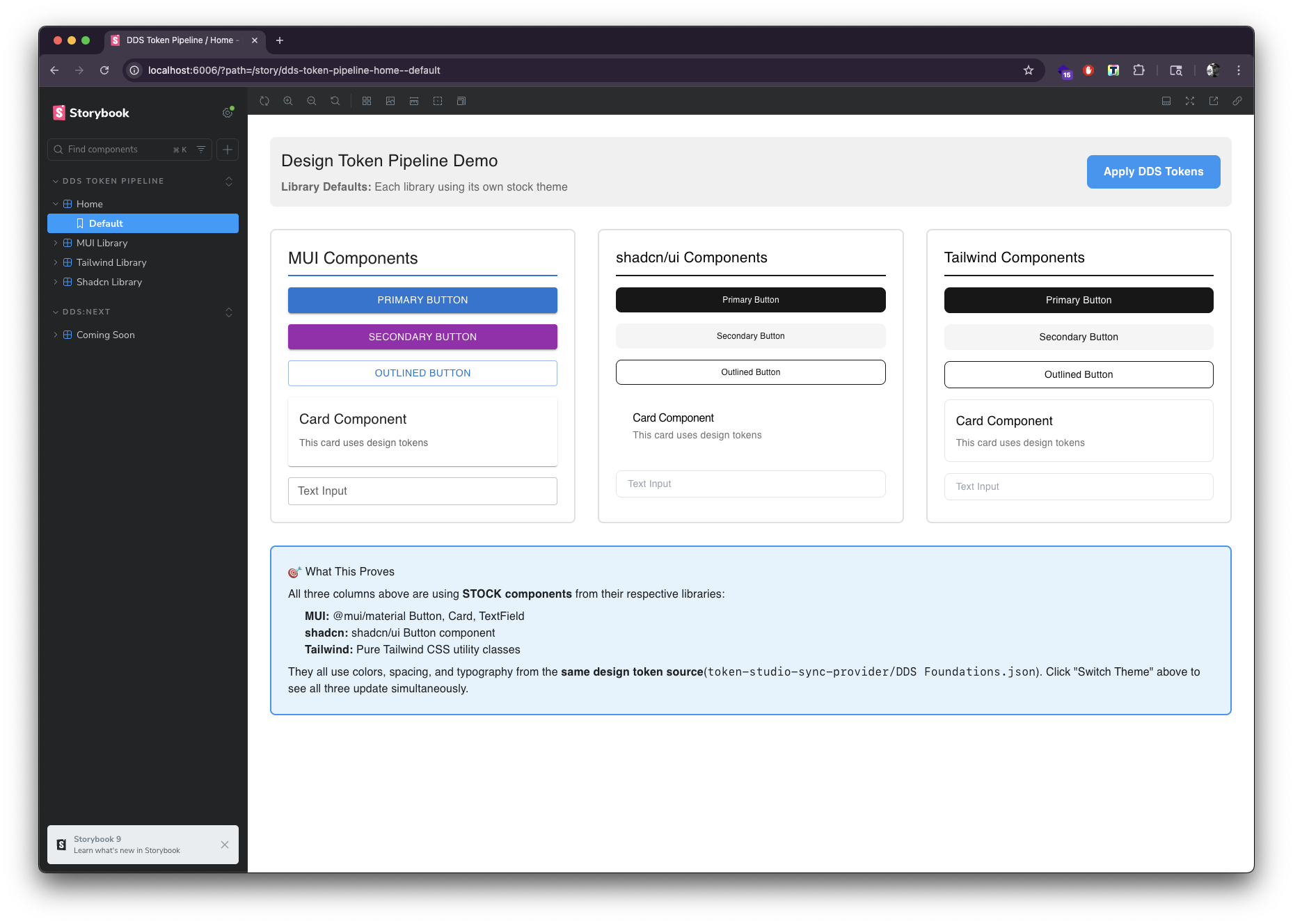
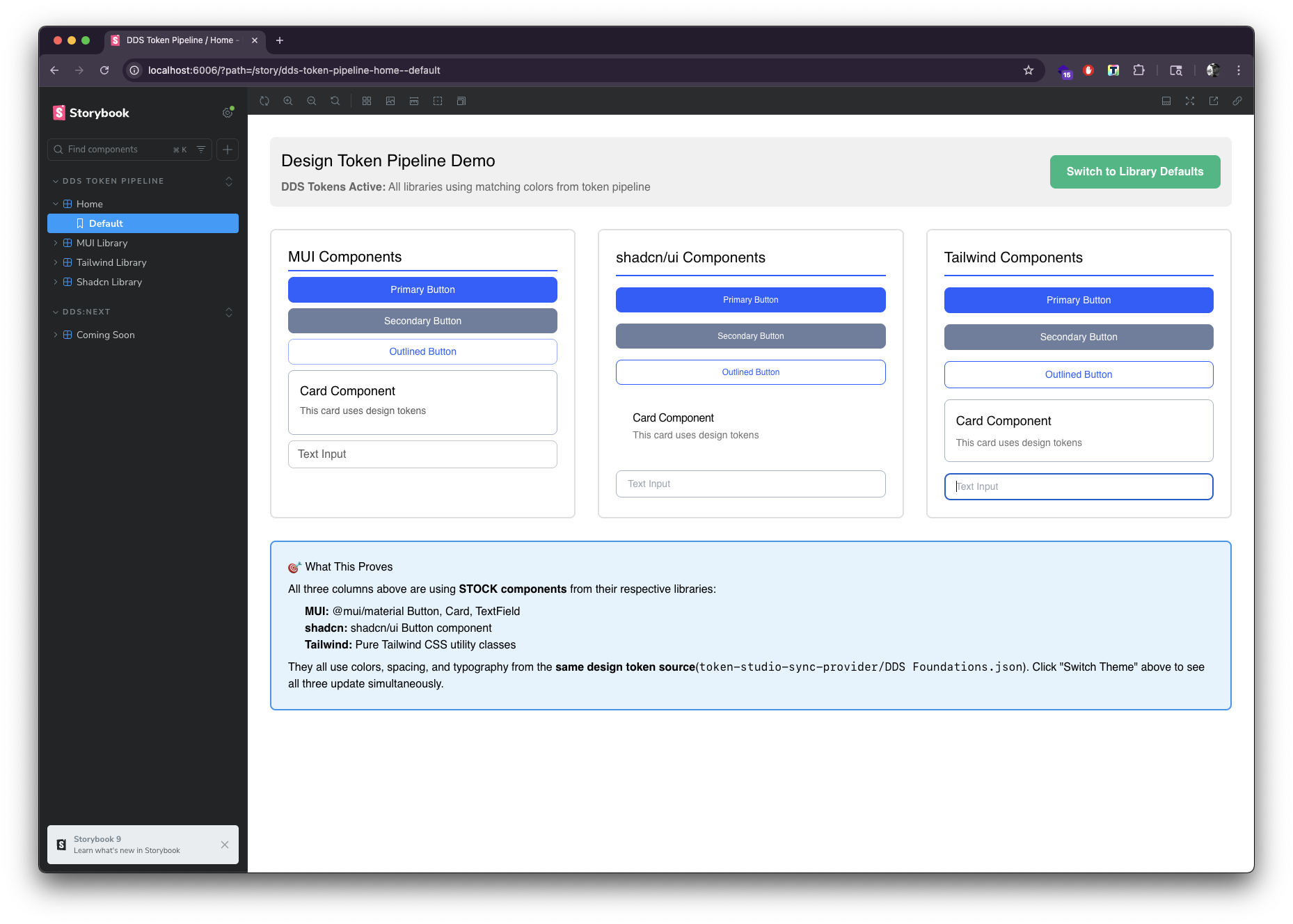
Before: Each framework using stock themes—MUI default blue, shadcn black, Tailwind gray. Designers and developers building two completely different products with zero consistency and zero trust.
After: All three frameworks synced with Docker DDS tokens from Figma. Single source of truth, instant propagation, 100% parity across MUI, shadcn/ui, and Tailwind. Designers change a color in Figma—every component updates automatically.
Design-Code Divergence: Automated Cleanup
Watch the token pipeline systematically eliminate violations. Each card represents a design-code mismatch that used to require manual audits.
Color Mismatch
MUI using default blue (#1976d2), Figma shows Docker blue (#2560ff)
Box Shadow Hardcoded
40+ shadow definitions inline instead of elevation tokens
Spacing Divergence
Tailwind padding using arbitrary values instead of 4px grid scale
Typography Mismatch
Font weights differ between Figma and MUI theme (400 vs 500)
Border Radius Inconsistent
Components using pixel values (8px, 12px) instead of semantic tokens
Opacity Hardcoded
Alpha channels manually defined in component styles instead of token system
Breakpoint Sync
Responsive breakpoints don't match Figma's layout grid system
Z-Index Scale
Elevation system inconsistent across MUI, shadcn, and Tailwind
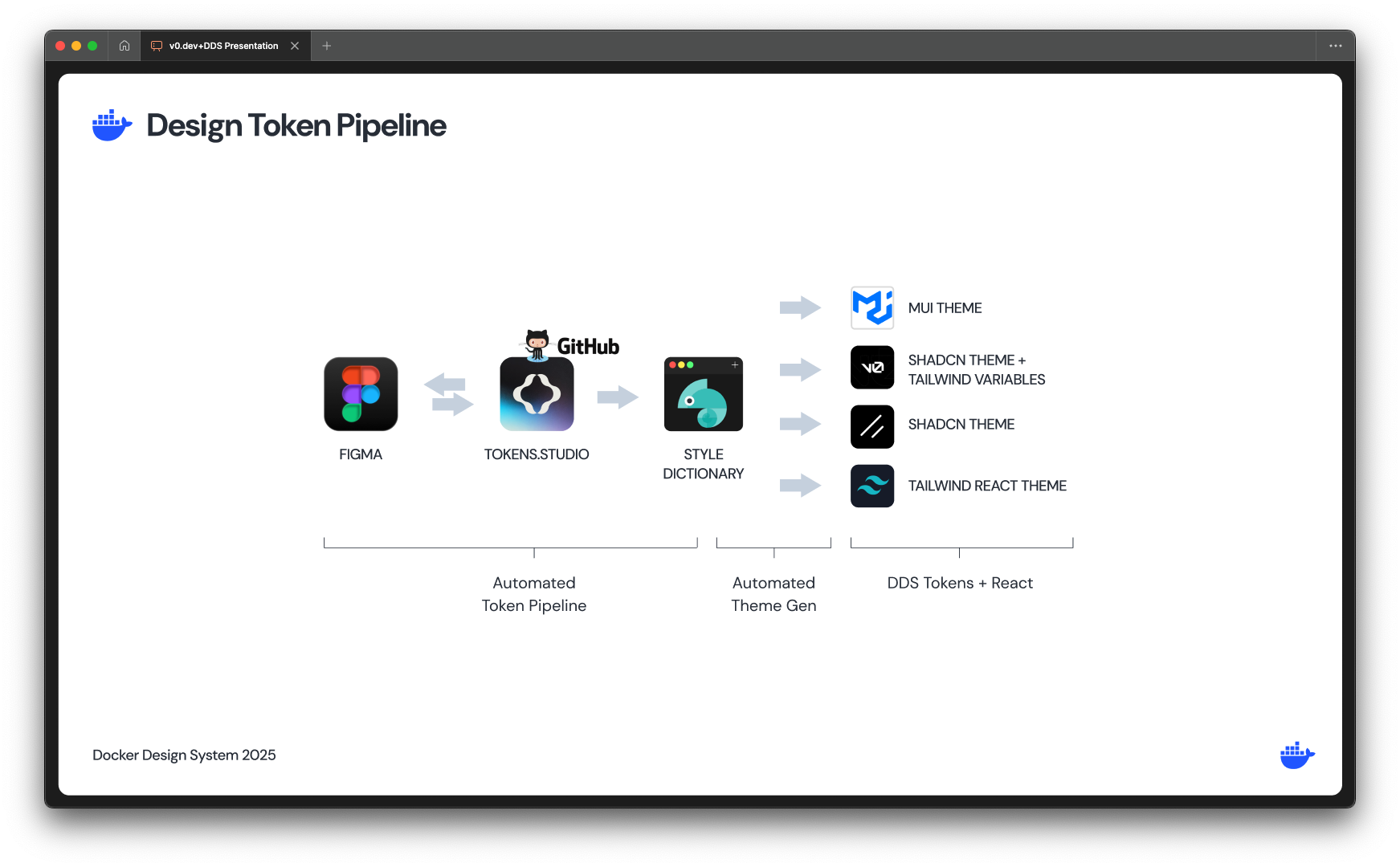
End-to-end automated pipeline: Figma Variables → Token Studio sync → GitHub → Style Dictionary transforms → MUI/shadcn/Tailwind themes → Chromatic regression testing. Fully automated, infinitely scalable, production-proven.
The pipeline needed to bridge color space differences between Figma's HEX exports and shadcn's HSL requirements. This pure-math transformer eliminates manual conversion and ensures deterministic output across all components.
This is why the pipeline scales infinitely—adding Vue, Angular, or React Native is just writing new formatters, not rebuilding infrastructure.
Complex object destructuring and CSS generation. Design elevation systems in Figma become production-ready shadow tokens across frameworks.
The Impact: Enterprise Runtime Automation at Scale
Eliminated all manual token audits and sync meetings. What used to take 3 days of coordination across teams now happens automatically in under a second. I focus on patterns and templates instead of babysitting token parity.
Complete elimination of design-code divergence. Figma is the single source of truth. Designers change a color—MUI, shadcn, and Tailwind update automatically via GitHub Actions. Parity is enforced by CI/CD, not process.
Instant transformation pipeline. Any Figma change triggers GitHub Actions, runs Style Dictionary transforms for 3 frameworks, and deploys to Chromatic for visual regression—all in under one second.
MVP managing 59 primitive tokens. Pipeline architecture supports infinite scale with zero performance degradation. Add 100 tokens, 10 frameworks, 50 component libraries—same infrastructure, same speed.
Single token source powering MUI, shadcn/ui, and Tailwind simultaneously. Same design decisions, zero hardcoded values, modular architecture ready for Vue, Angular, React Native, or any future framework.
Product managers generate design-system-compliant prototypes with Claude via v0.dev using Docker tokens. PRDs become interactive prototypes in minutes—already consuming Figma design decisions before a designer touches Figma.
Key Outcomes & Learnings
Automation is the only sustainable path for design systems at scale
Manual synchronization processes fail at enterprise scale because they rely on human discipline rather than technical infrastructure. This pipeline restored trust by making design-code divergence structurally impossible. When synchronization happens automatically through continuous integration, teams can focus on building products instead of maintaining parity.
Framework-agnostic architecture enables future flexibility
Building the pipeline with modular transformers means adding new frameworks requires writing new formatters, not rebuilding the entire system. This architecture handles MUI, shadcn, and Tailwind today, and can extend to Vue, Angular, or React Native without fundamental changes. The investment in abstraction provides long-term leverage.
Infrastructure beats process every time
Instead of another meeting or writing more design system documentation no one reads, I built a production-ready proof of concept that goes from Figma to visual regression testing in minutes rather than eating an entire sprint with manual audits. Working code that eliminates the problem is more valuable than process improvements that manage it. Ship infrastructure, not procedures.
"After three failed audits, I had zero faith the design system could stay in sync with Figma. This pipeline changed everything. I actually check Storybook first now because I know it matches design. That's the difference between a dead system and one people use. This is the future."
"Before Chad set up a repo and connected it to Docker's v0.dev and Vercel's tools, we didn't even know we could force the LLMs to use our Design System. Whatever the PMs prototype and vibe code, it all looks and pulls from the Docker Design Language. Brilliant."
What's Next: LLM-Powered Token Intelligence
The next evolution of the pipeline integrates LLMs for intelligent token naming, semantic validation, and automated design system governance—transforming the pipeline from automation to intelligence.
Automated Token Flow with LLM Intelligence
Watch design tokens flow from Figma through LLM-powered analysis, validation, and transformation to production deployment. The next phase adds semantic understanding—LLMs validate naming conventions, detect conflicts, and suggest optimizations automatically.
Automated Token Flow
Watch design tokens flow from Figma through LLM analysis to production deployment
Pipeline Benefits
- ✓73% faster token deployment
- ✓Zero manual transcription errors
- ✓Real-time design-to-code sync
- ✓Multi-platform support (web, iOS, Android)
LLM Integration
Claude analyzes tokens for semantic meaning and catches naming conflicts before deployment:
- SemanticIntelligent token naming validation
- ContextConflict detection with existing tokens
- QualityAutomated convention enforcement
LLM-powered token naming validation and suggestions
Semantic conflict detection across design system
Automated governance rules applied at extraction time
Intelligent suggestions for token consolidation and optimization
Continue Exploring
More Case Studies